Frontenac Wine Grapes
June 3, 2026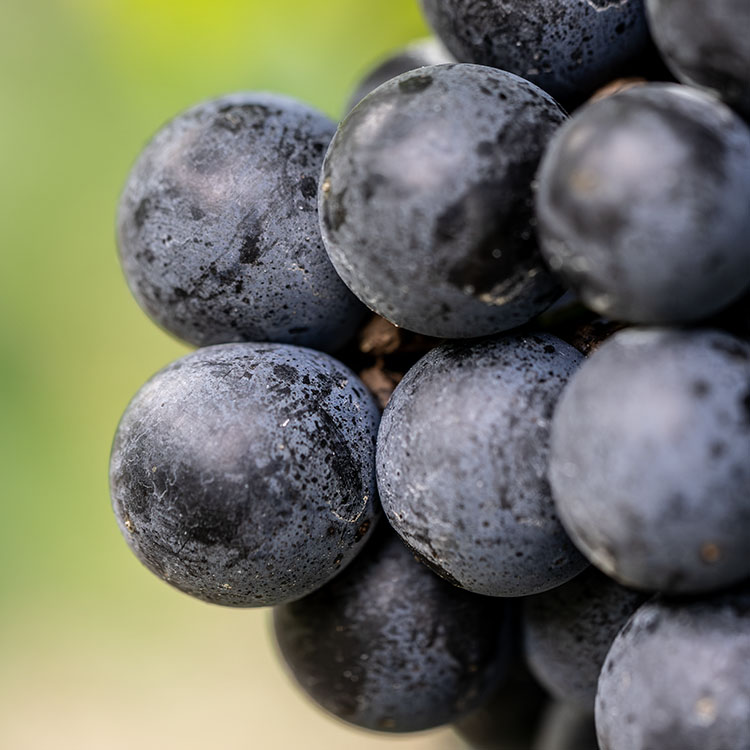
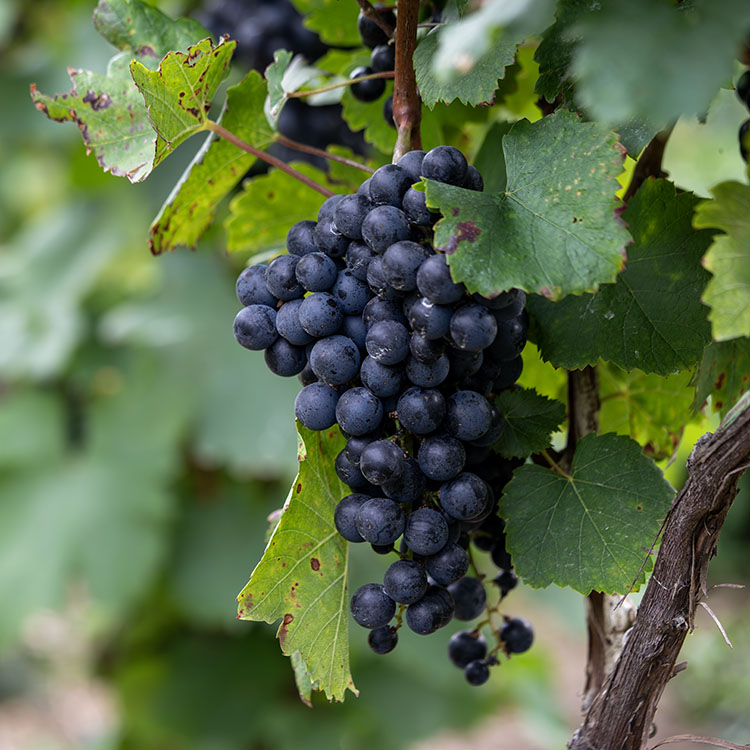
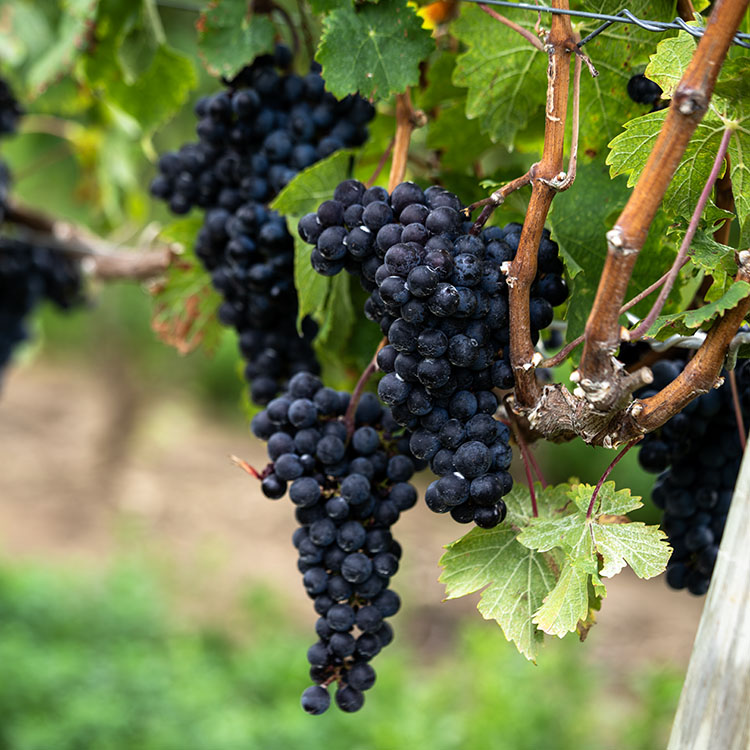
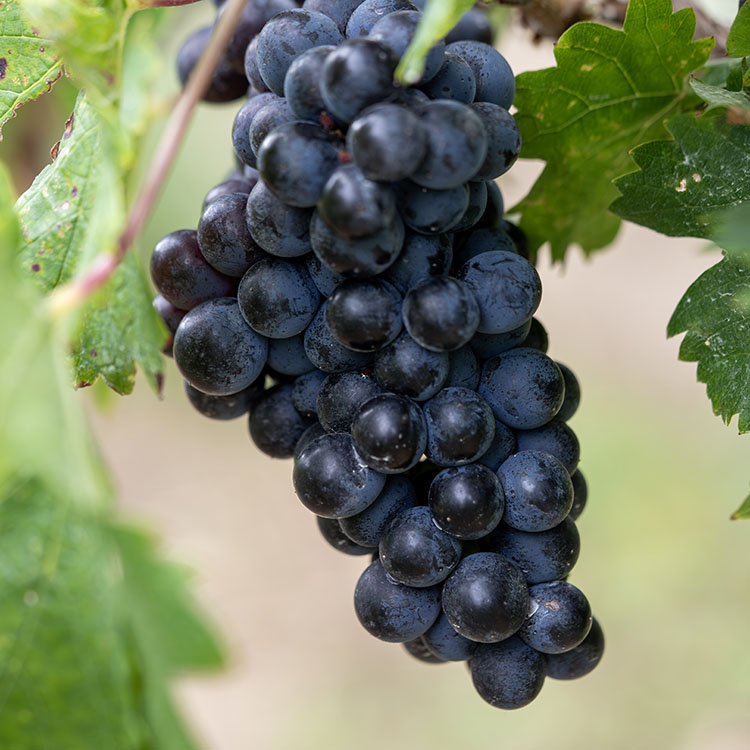
Cabernet Franc
Cool-climate Cabernet Franc from the Lake Erie shore, farmed for the structure and aromatic lift the varietal is known for, with tonnage available for 2026.
Why buy from our farm
- [Vine-age line once confirmed. “Mature vines” only if the data supports it.]
- Cool-climate structure and aromatic lift, the two things a Cab Franc buyer is actually sourcing for
- Farmed dry, IPM, low-spray, on a site built to ripen a vinifera red this far north
- Bill will move the pick window within reason to hit your Brix and pH. You are buying fruit farmed toward your spec, not just his
- [Tons available for 2026: ____. Multi-year contracts on the table.]
- Pickup at the vineyard, with help sorting logistics
Pricing available on request.
The grape
Cabernet Franc is the red that makes the case for cool-climate winemaking on the East Coast. It ripens where its offspring Cabernet Sauvignon will not, and it keeps its identity while doing it: dark fruit, a graphite and bramble spine, and the aromatic lift of crushed herb and violet that a warmer site cooks right out of it. It works as a serious varietal dry red and as the backbone of a Bordeaux-style blend. For a winemaker in this region it is one of the few vinifera reds that delivers real structure without waiting on a growing season the climate cannot guarantee.
Where it grows
[CONFIRM SITE WITH BILLY: Hammond Road, or a separate block? Fill in distance to lake and orientation.] The vineyard sits on the Lake Erie shore, where the lake buffers the winter and stretches the season deep into October. That long, slow finish is what Cabernet Franc needs to ripen its tannin and hold its aromatics, and it is exactly what a marginal red site struggles to provide. [Add row orientation and drainage note once the intake confirms them. If it matches Billy’s other Hammond Road blocks: north-to-south rows on well-drained gravel, canopy drying fast after rain, disease pressure kept low without leaning on the sprayer.]
How Bill grows it
[NEEDS INTAKE SHEET. Placeholders below, to confirm against Billy’s other blocks, where cordon is his norm:]
- Acreage planted to Cabernet Franc: [____]
- Year(s) planted / average vine age: [____]
- Rootstock and clone(s): [____]
- Trellis and training: [likely VSP, cordon-trained, per Bill’s standard, confirm]
Farmed dry, on an IPM spray program, with leaves pulled mechanically around pea-berry size to open the fruit zone for airflow and light, the same canopy practice Bill runs across his vinifera. Harvest [hand or mechanical, confirm], with the pick set to the buyer’s target rather than his own.
Why winemakers want it
Locally grown, cool-climate Cabernet Franc with real structure is hard to source in PA, NY, and OH, and most of what exists is either warm-climate fruit trucked in or young-vine dilution. This is the grape’s home range done right: a site cold enough to keep the aromatics and long enough to ripen the tannin. [Once the intake is in, this is where the five-year chemistry goes. Cab Franc sells on structure and aromatic lift, so the numbers to feature are steady TA and pH alongside a Brix range that proves it ripens on this site.