Riesling Wine Grapes
June 3, 2026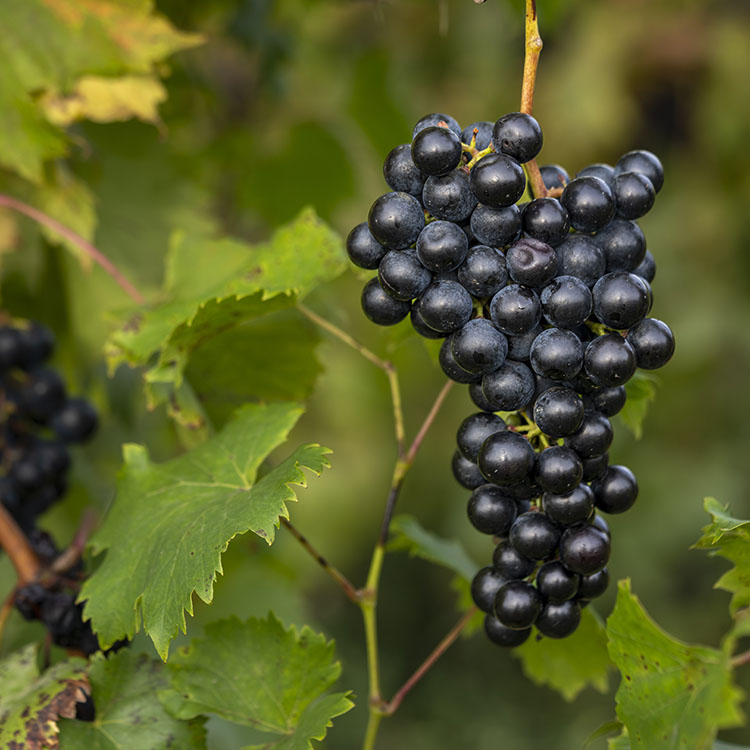
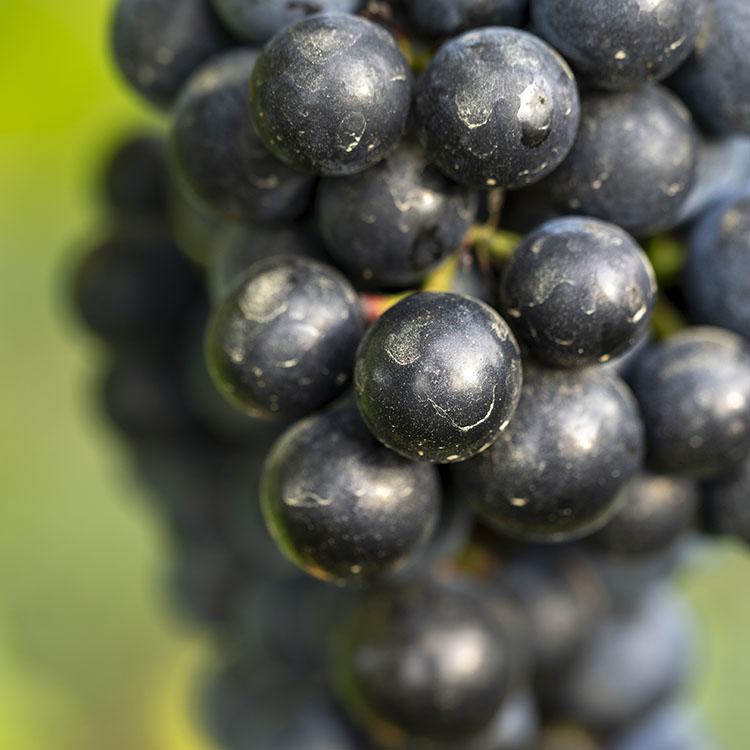
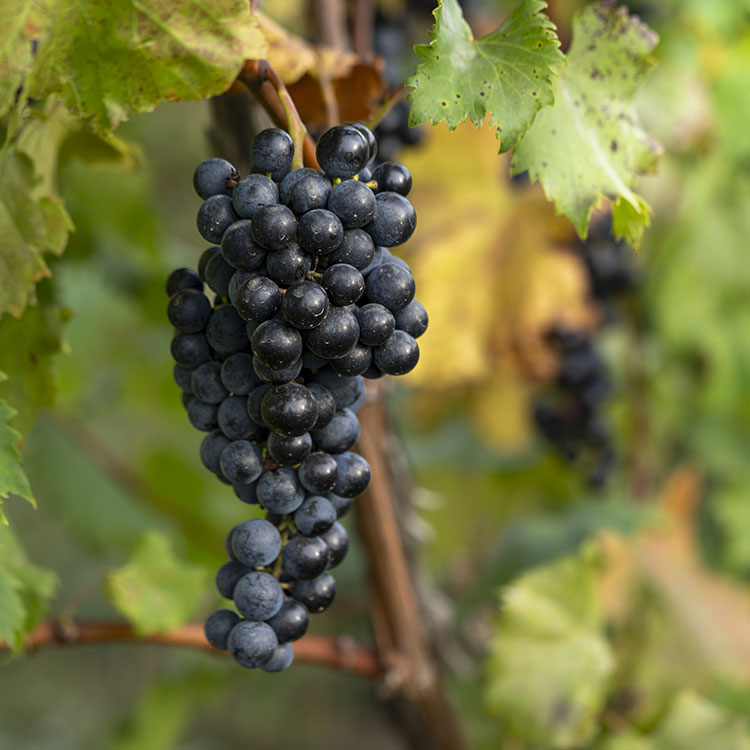
Chambourcin Wine Grapes
Deep-color, high-acid Chambourcin from a cool Ripley slope. Proven red and rosé fruit, with volume (1 ton minimum) available for 2026.
Why buy from our farm
- Settled, full-cropping vines farmed dry, low-spray, on a slope built to dry out fast.
- Standout natural acid and color, the two things a blender actually buys Chambourcin for.
- Proven rosé fruit, already made into wine that moved.
- He will move the pick window within reason to hit your Brix and pH. You are buying fruit farmed toward your spec, not just his.
- Around 20 tons available for 2026, bulk quantities, multi-year contracts on the table.
- Pickup at the vineyard, with help sorting logistics.
Pricing available on request.
The grape
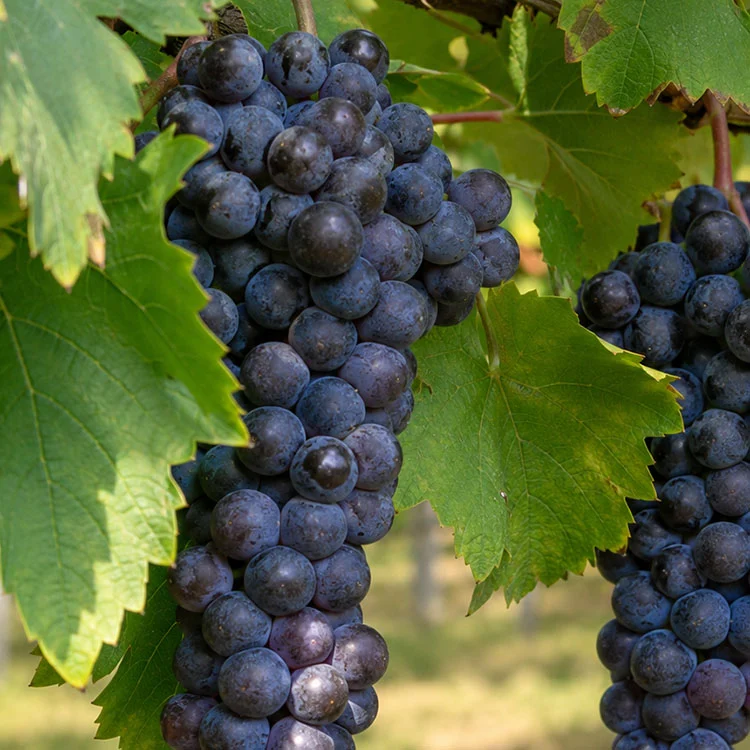
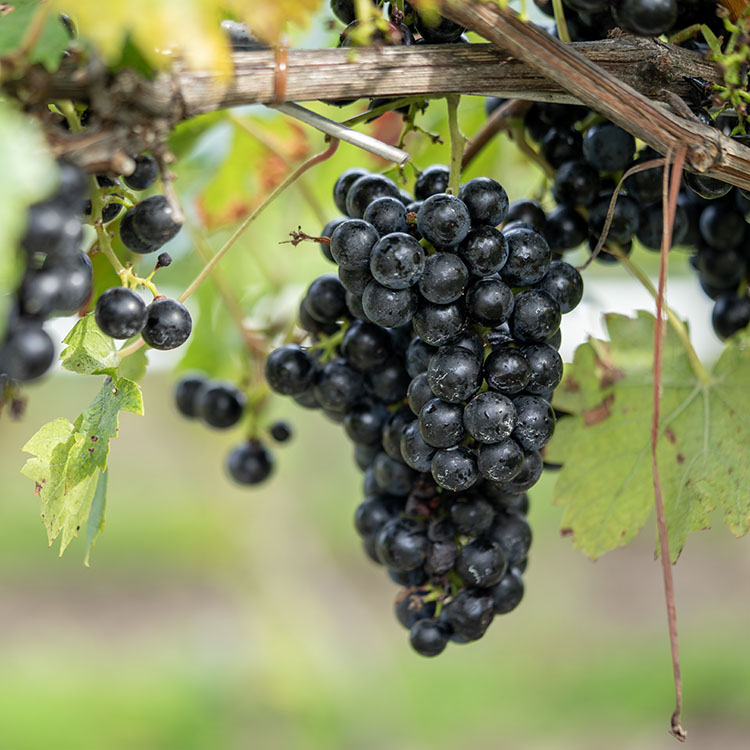
Chambourcin is the hybrid that earns its keep. Deep, stable color, firm natural acid, and none of the foxy character that gave hybrids a bad name a generation ago. It resists the fungal diseases that punish thin-skinned vinifera in a wet season, which makes it one of the most honest grapes you can farm on the East Coast. Winemakers use it two ways. As a bright, structured rosé with real regional identity, and as a color-and-acid backbone that lifts softer reds in a blend. Pennsylvania and New York are heartland for it, so a buyer here is not taking a flyer.
Where it grows
The block sits on a north-facing slope in Ripley, about 1.6 miles off Lake Erie. The lake buffers the winter and stretches the season. The north-facing pitch drains cold air downhill and off the vines, which cuts frost risk and dries the canopy after rain. For a disease-resistant grape on a low-spray program, that airflow does half the work the sprayer would otherwise do. The variety defends itself, the slope handles the rest.
How Bill grows it
Two and a half acres planted in 2014, so the vines are settled and cropping in full stride. Two-wire trellis, cordon-trained, dry-farmed start to finish. The vines find their own water, which keeps the fruit concentrated instead of watered down. The spray program is IPM, sprayed to threshold rather than by the calendar. Harvest is mechanical, so when the numbers line up the fruit moves fast. This is a generous, reliable cropper, and Bill farms it as one.
Why winemakers want it
Good Chambourcin gives Eastern winemakers something genuinely hard to source: deep color and high natural acid from a vine that shrugs off the diseases that wreck a wet vintage. This site pushes both further than most. Across four measured vintages the fruit held TA at an average of 9.6 g/L, running from 8.25 all the way to 10.4, with pH low and firm around 3.18. That is serious acid structure, and it is the whole reason to reach for Chambourcin in a blend or a rosé. You are buying backbone.
It ripens too. Brix has averaged 20.2 and reached 22.4 in a warm year, so the sugar is there when you want it. And Brix is the lever you control. Bill sets the pick date to your target, not his, and will hang it longer if you want the acid softer for a varietal red.